The trip that taught me to slow down
I spent my first few days in Yogyakarta rushing — fast questions, fast transactions, impatient when a shopkeeper took time with small talk before getting to business. It took a local friend gently pointing it out for me to notice I was moving at a rhythm that didn't match the city around me.
Alon-alon: the pace that matters
There's a Javanese phrase, alon-alon waton kelakon — roughly, "slowly but surely" — that captures something real about how business and conversation tend to happen here. Rushing a transaction or a greeting can come across as brusque rather than efficient. Giving a moment of small talk before getting to your actual request tends to be met with far more warmth.
Everyday gestures worth knowing
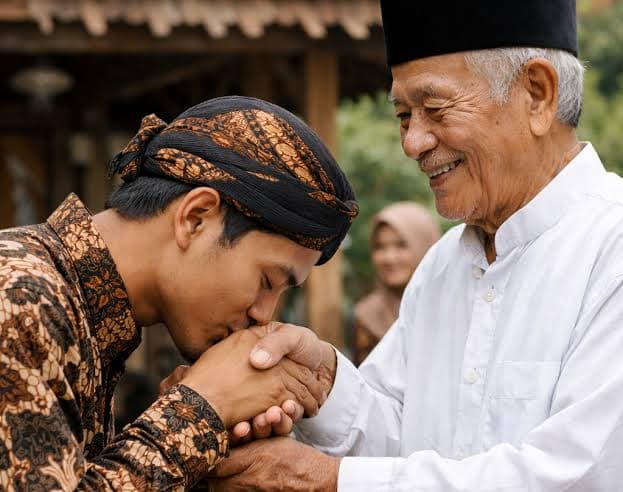
- Use your right hand for giving, receiving, and eating — the left hand carries different associations in many parts of Indonesia. - Remove shoes before entering someone's home, and often at guesthouses and some shops — watch for a shoe rack by the door as the cue. - Greet elders first and with a slightly lower posture or nod — a small gesture of respect that's noticed and appreciated. - Dress modestly at the Kraton, mosques, and rural villages — shoulders and knees covered is a safe baseline.
Indirect communication
Javanese culture often favors indirect, face-saving communication over blunt directness. A local might say "it's a little difficult" rather than a flat "no" — worth listening for the softer refusal rather than pushing for a clearer answer that may never come the way you expect.
The gesture that changed my trip
Simply slowing my own pace — pausing for a proper greeting, not rushing a warung order, thanking people without immediately turning to leave — changed how people responded to me for the rest of the trip. It cost nothing and it was the best travel tip nobody put in a guidebook.