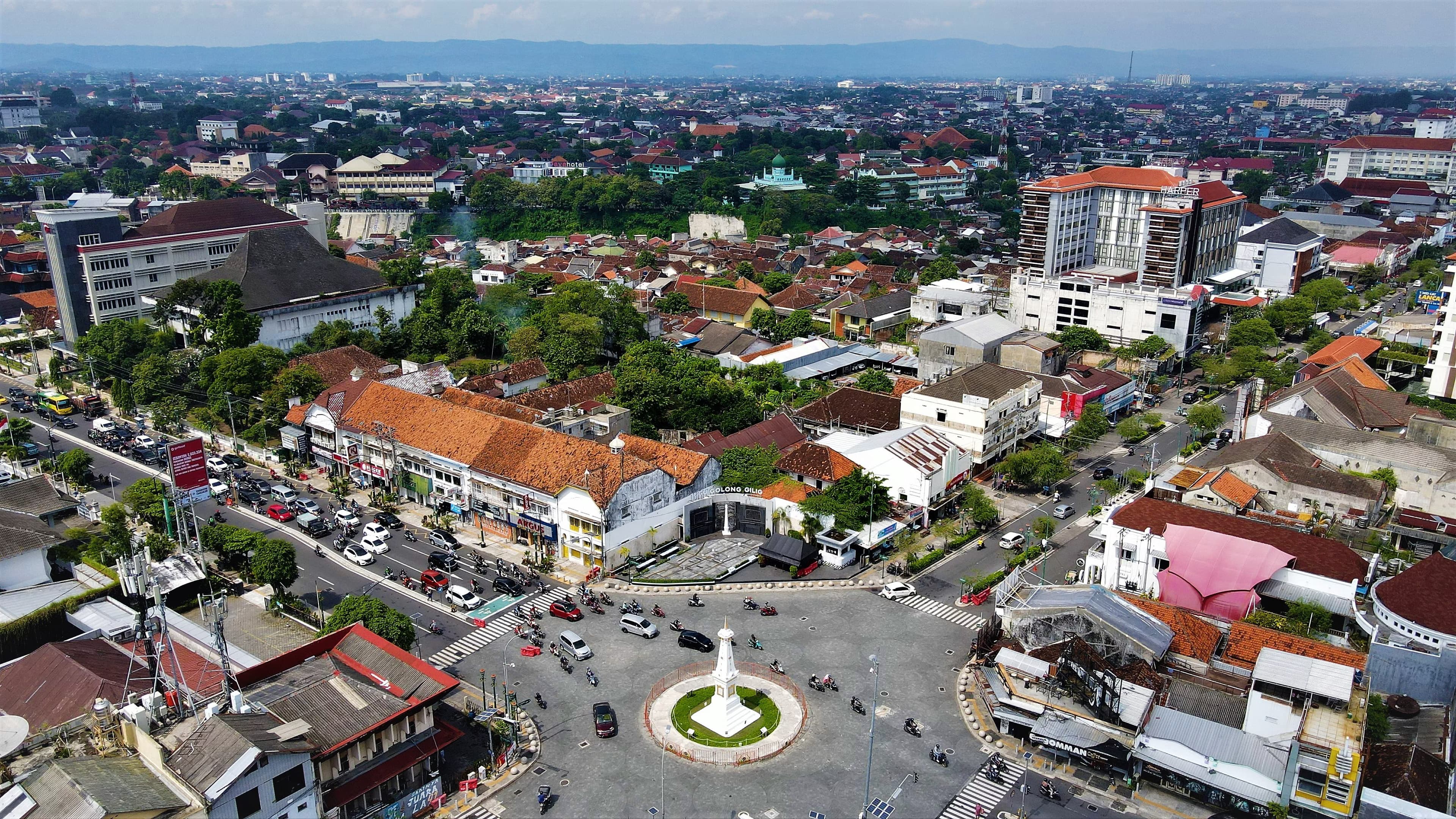
Yogyakarta sits close to the equator, so temperatures stay warm year-round (roughly 24–32°C). What actually changes with the seasons is rainfall — and that has a bigger effect on your trip than temperature ever will.
Dry season (April/May–October)
This is the classic window for a Yogyakarta trip: clearer skies, more predictable outdoor conditions, and easier access to weather-dependent activities like the Merapi jeep tour, Jomblang Cave, and Gunungkidul beach-hopping. July and August are the driest and sunniest months, but also the busiest — expect bigger crowds at Borobudur and Prambanan and higher accommodation prices.
Wet season (November–March)
Rain here doesn't usually mean washed-out days. Showers tend to follow an afternoon pattern — mornings are commonly dry and workable for sightseeing, with rain arriving from early-to-mid afternoon onward. December–January–February bring the heaviest and most frequent rainfall. The upside: noticeably fewer tourists, lower hotel rates (sometimes 30–40% off peak pricing), and lush, green landscapes that make waterfalls and rice terraces look their best.
The sweet-spot months
May, June, September, and October tend to offer the best trade-off — dry-season weather without the full intensity of July–August crowds and pricing. If your dates are flexible, these shoulder months are usually the smartest pick.
Festival timing worth planning around
Waisak (Vesak)
, usually around May, brings a lantern release ceremony at Borobudur — one of the most visually striking events in the region, though it draws large crowds and requires advance planning.
Indonesian Independence Day
(August 17) adds citywide cultural energy, with parades and local celebrations.
Ramadan and Eid affect opening hours and crowd patterns at some sites — check the Islamic calendar for the relevant year, since dates shift annually, and note that some restaurants have reduced daytime hours during the fasting month.
Quick recommendations by traveler type
First-timers wanting guaranteed good weather
: June–September.
Budget travelers
: January–March, accepting some rain in exchange for lower prices and thinner crowds.
Photographers
: shoulder months (May, September, October) for a balance of clear skies and manageable crowds at sunrise/sunset spots.